12 DAYS TOUR PERU
Medium
10 people
Cusco - Perú
Over the next 12 days, you’ll travel from the Pacific coast to the heart of the Andes, experiencing some of Peru’s most iconic destinations. Your journey begins in Lima, Peru’s capital, where you’ll have time to explore the historic center, a UNESCO World Heritage Site, along with the city’s renowned food scene and coastal neighborhoods like Miraflores and Barranco before continuing on to the Andes.
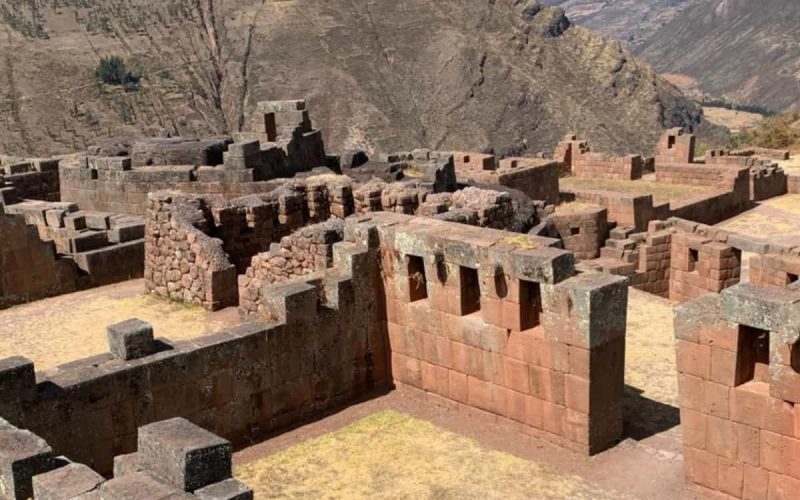
From Lima, you’ll fly to Cusco, the former capital of the Inca Empire, sitting at over 3,400 meters above sea level. Upon arrival at Alejandro Velasco Astete Airport, our professional guide will be waiting to welcome you and transfer you to your hotel. Your first days in Cusco are designed to help you acclimatize to the altitude while exploring the city’s Inca and colonial architecture, along with a day trip to the Sacred Valley of the Incas, home to the towns of Pisac and Ollantaytambo.
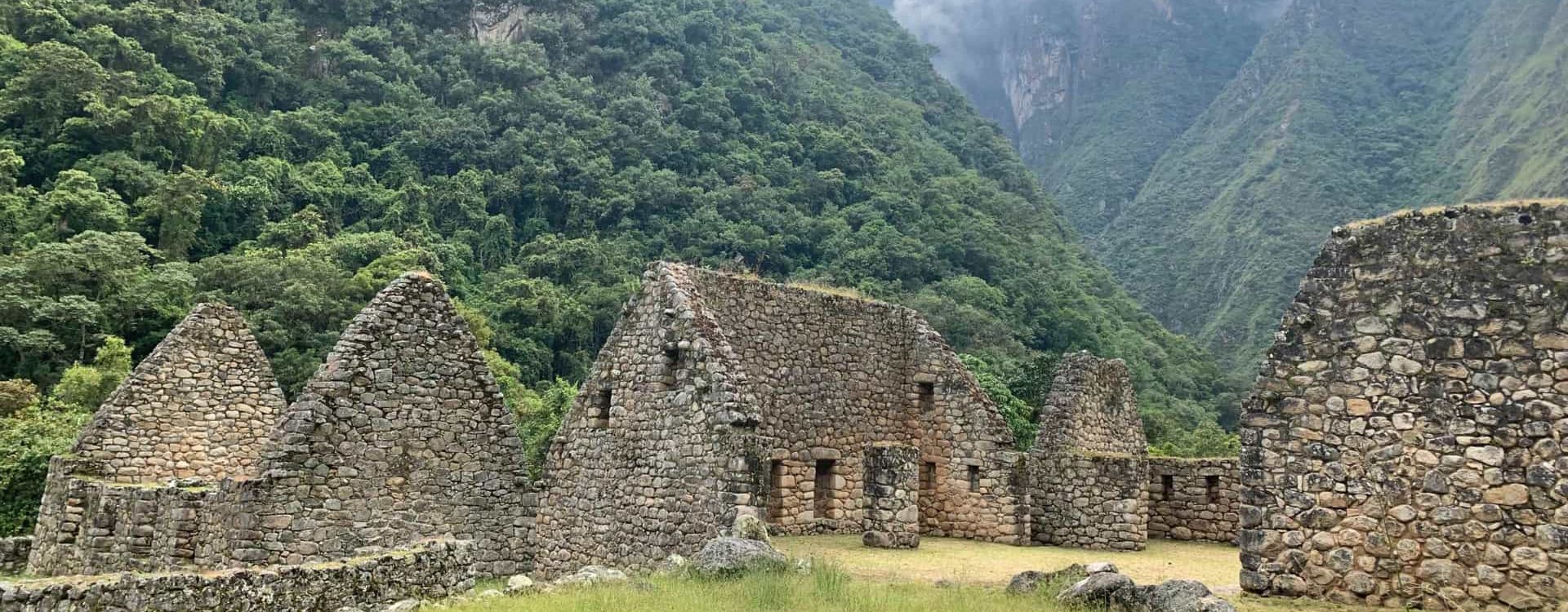
Once you’re acclimatized, the adventure continues with the legendary 4-Day Inca Trail to Machu Picchu, widely considered one of the greatest hikes in the world. Over four days, you’ll follow original Inca stone paths through cloud forest and high mountain passes, stopping at Inca ruins along the way, before arriving at the Sun Gate for your first view of Machu Picchu at sunrise.
Briefing
Before starting the Inca Trail, you’ll attend a mandatory briefing with your guide, usually held the evening before departure at your hotel in Cusco. During this session, your guide will walk you through each day of the trek in detail — distances, altitudes, campsite locations, and what to expect along the way — and go over essential packing tips based on the season and weather conditions.
This is also your chance to ask any last-minute questions, confirm your Inca Trail permit and passport details (required by Peruvian regulations for all trekkers), and make sure you’re properly prepared both physically and mentally for the days ahead. Our guides are happy to offer personalized advice based on your fitness level and previous trekking experience.
If you have any dietary restrictions, don’t worry — our staff will plan around them every step of the way to ensure your trip is safe, comfortable, and unforgettable.
On your first day in Cusco, there are no scheduled activities. This day is intentionally left open, giving your body time to rest and begin adjusting to the altitude of the majestic Andes — Cusco sits at over 3,400 meters (11,150 ft) above sea level, and taking it slow on arrival makes a real difference for the rest of your trip.
Take it easy, sip on a cup of coca tea (a local remedy widely used to ease altitude symptoms), stay hydrated, and avoid heavy physical activity for the day. If you’re up for a short stroll, Cusco’s historic center is easy to explore at a relaxed pace — cobblestone streets, colonial balconies built over Inca stone walls, and the Plaza de Armas are all within walking distance of most hotels.
Soak in the charm of the city, enjoy an early night’s sleep, and get ready for the unforgettable adventure that lies ahead
Cusco City Tour – A Journey to the Heart of the Inca Empire
Get ready to explore the living essence of the ancient Inca capital. Our Cusco City Tour is a fascinating experience that blends Inca history, colonial heritage, and local traditions — all in one unforgettable afternoon.
Duration: Half-day (approx. 4 hours)
Sacred Valley Tour: Chinchero, Maras, Moray & Ollantaytambo
Embark on a breathtaking journey through the heart of the Sacred Valley — a route where every stop reveals the genius, beauty, and deep spirituality of the Andean world. From ancient weaving traditions to salt flats hanging on mountain slopes, this experience is a perfect blend of culture, nature, and history.
Chinchero – Where Time Wears Textiles
Sitting high at 3,700 meters above sea level, Chinchero is a place where the past is not only remembered — it’s lived. With its colonial church built atop Inca foundations and agricultural terraces still in use, this village offers a glimpse into a world suspended in time.
But Chinchero is best known for its living textile tradition. Here, local communities welcome visitors with vibrant demonstrations of natural dyeing and weaving using alpaca wool. Every color and pattern tells a story passed down through generations — a silent language woven into every thread.
Maras – The Salt Pools of the Andes
Next, we journey to Maras, home to the dazzling salt ponds that cascade down the mountainside like a natural mosaic. Fed by an underground saltwater spring, these thousands of pools have been harvested since Inca times — and are still managed by local families today.
Under the sun, the ponds shimmer in hues of white, pink, and gold, creating a surreal landscape that feels otherworldly. The salt from Maras is known not only for its purity, but also as a symbol of the mountain’s generosity.
Moray – The Inca Agricultural Lab
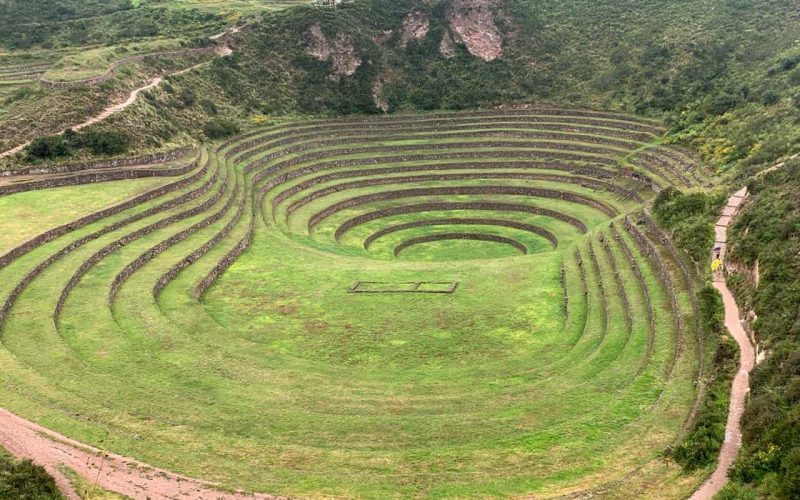
Just a short drive away lies Moray, a marvel of ancient agricultural engineering. Here, you’ll find massive concentric circular terraces carved into the earth, resembling a green amphitheater.
But these were no ordinary fields — they were a sophisticated agricultural research center used by the Incas to simulate different microclimates. Each level has a unique temperature, allowing them to experiment with a wide variety of crops. Moray is a true testament to Incan ecological wisdom and their bond with Pachamama (Mother Earth).
Ollantaytambo – The Living Inca Town
Finally, we arrive at Ollantaytambo, one of the most impressive and enchanting sites in the Sacred Valley. This ancient fortress was once a ceremonial center, a stronghold, and a royal estate. Its colossal terraces, solar-aligned temples, and perfectly cut stones showcase the precision and power of Inca architecture.
But Ollantaytambo isn’t just an archaeological wonder — it’s also a living town. People still live in homes built upon original Inca foundations, along cobbled streets that follow the ancient Inca urban plan. Walking through Ollantaytambo is like stepping into history — alive and breathing.
This journey is more than a scenic drive — it’s a deep connection with Andean heritage. From the timeless weavers of Chinchero to the enduring spirit of Ollantaytambo, every moment tells a story. Come walk the path of the ancients, and feel the Andes in your soul.
The Inca Trail Begins — Km 82 to Wayllabamba
Step by step, you begin to follow the footsteps of the Inca.
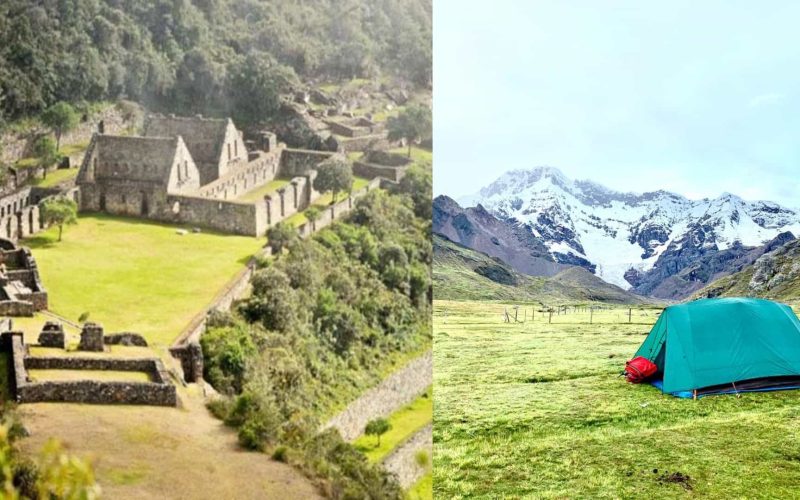
After a nourishing breakfast and a final gear check, your adventure sets into motion. A short drive brings you to the legendary Km 82, where the real magic begins. You’ll cross a suspension bridge over the Urubamba River — the symbolic gateway to the Inca Trail — and take your first steps into a landscape where history, nature, and silence speak louder than words.
The trail gently winds through picturesque valleys and open meadows, with the snow-capped peaks of the Andes watching from afar. Along the way, you may glimpse ancient ruins like Llactapata, quiet reminders that this was once a sacred path walked by messengers, nobles, and warriors of a lost empire.
As the hours pass, the rhythm of your footsteps finds harmony with the land. This is more than a hike — it’s a slow immersion into the world of the Andes.
By mid to late afternoon, you’ll arrive at Wayllabamba, a serene Andean valley nestled among whispering trees and mountain breezes. Your campsite will be waiting, set against a backdrop of nature’s calm. As the sky begins to glow with soft colors and the stars appear one by one, you’ll enjoy a warm dinner prepared by our trekking chef and settle in for your first night on the trail.
Dead Woman’s Pass — The Trail’s Greatest Challenge
Today is often considered the most challenging — and most powerful — day of the Inca Trail. You’ll wake up early at Wayllabamba (3,000 m / 9,840 ft) to the sounds of birdsong and the soft glow of morning light across the valley. After a hearty breakfast, you’ll begin the steady ascent toward the high mountains that loom ahead.
As the trail climbs, the forest gradually gives way to puna grasslands and open skies. The air becomes thinner, the steps slower, but the views ever more inspiring. Along the way, you may spot llamas grazing or Andean hawks soaring above the cliffs.
Your main goal is to conquer the legendary Warmiwañusca, or «Dead Woman’s Pass» — the highest point of the entire trail. Reaching this summit is a moment of triumph: the mountains stretch endlessly in every direction, the wind whispers ancient stories, and your breath becomes part of the sacred air.
After a short break at the summit, you’ll begin the descent down ancient stone steps into the lush valley of Pacaymayo, your resting place for the night. Here, surrounded by waterfalls and cloud forest mist, your camp awaits. Enjoy a warm, well-earned meal and reflect on the strength you found within yourself today. You’ve passed the highest test of the trail, and the spirit of the Andes has welcomed you.
Dead Woman’s Pass Altitude: 4,215 m / 13,828 ft
Temperature at the pass: 5–10°C during the day; colder if cloudy or windy
Pacaymayo campsite altitude: 3,600 m / 11,800 ft
The City Above the Clouds — Runkurakay to Wiñay Wayna
After the challenges of Day 3, you’ll wake up in Pacaymayo (3,600 m / 11,800 ft) feeling stronger, more grounded, and ready to witness the most spectacular scenery of the Inca Trail.
This day is often called the most beautiful of the entire trek. The trail winds through misty cloud forests, stone stairways, and mysterious Inca ruins tucked into the mountainsides. You’ll begin with an uphill stretch toward the second pass, Runkurakay (3,950 m / 12,960 ft), passing a small circular ruin with panoramic views.
The journey continues with a descent to Sayacmarca, an extraordinary archaeological site perched dramatically above the valley — accessible only by a narrow stone path. It feels like stepping into a forgotten world.
Midday brings you to Phuyupatamarca (3,650 m / 11,975 ft), «The City Above the Clouds.» From here, the trail descends through lush greenery and endless Inca staircases, where the air becomes warmer and filled with birdsong.
In the late afternoon, you’ll reach your final campsite at Wiñay Wayna (2,650 m / 8,700 ft). Before settling in, explore the stunning ruins nearby — a series of cascading terraces and ceremonial fountains dedicated to water and fertility.
As the sun dips behind the mountains, you’ll enjoy a special farewell dinner with your trekking team. There’s a sense of excitement in the air, because tomorrow, you’ll greet the sunrise at Machu Picchu.
Wake-up call: 5:30 am
Breakfast: 6:00 am
Start hiking: 6:30 am
Distance: Approx. 15 km / 9.3 mi
DAY 5: Machu Picchu at Sunrise — Through the Sun Gate
«Before the world awakes, you step into the mist, chasing the first light over a lost city.»
Your final day on the Inca Trail begins long before dawn. In the soft hush of the early morning, you’ll pack up, enjoy a light breakfast, and line up at the checkpoint with headlamps glowing and hearts full of anticipation.
As the control gate opens, the final stretch of the trail unfolds. The path is quiet and narrow, winding along steep cliffs, dense jungle, and stone steps polished by centuries of footsteps. The excitement builds with every turn — you’re walking the same final steps the Incas once took to reach their sacred city.
And then, just as the first golden rays of sunlight begin to break through the clouds, you arrive at the legendary Inti Punku, the Sun Gate.
There it is. Machu Picchu.
The lost city emerges from the mist like a dream come to life. From this ancient vantage point, the view is unforgettable: terraces clinging to cliffs, temples aligned with the sun, and a sense of awe that no photo could ever capture.
After a moment of silence and celebration, you’ll descend into the citadel itself. A guided tour will reveal its secrets — sacred temples, the Royal Palace, the Intihuatana (sun stone), and the astonishing precision of Inca engineering.
By mid-morning, the sun is high, and the crowds begin to arrive. But you? You were there before it all. You arrived the way the Incas did — on foot, through the mountains, by spirit and by will.
Wake-up call: 3:30 am
Breakfast: 4:00 am
Gate opens: 6:00 am
Sunrise at Inti Punku (approx.): 6:30 am
Sun Gate altitude: 2,720 m / 8,920 ft
Distance: Approx. 5 km / 3.1 mi
Walking time: 2–3 hours
We begin our journey early in the morning, departing from Cusco and heading toward the eastern slopes of the Andes, on our way into the Amazon.
Ninamarca
Our first stop takes us to the mysterious pre-Inca funerary towers of Ninamarca, perched on a hillside overlooking the valley. These ancient chullpas are silent guardians of a time that predates the Inca Empire, offering a rare glimpse into the region’s earliest civilizations.
Paucartambo
As we ascend through the dramatic highland landscapes, we reach the picturesque town of Paucartambo (2,900 m / 9,514 ft), a vibrant colonial village known for its rich folklore, colorful festivals, and deep-rooted Quechua traditions. Here, we’ll enjoy a traditional Andean lunch and take a brief walk through its cobblestone streets, historic bridge, and bustling local market.
Acjanaco Pass & Tres Cruces
From Paucartambo, the road climbs toward Acjanaco Pass (3,600 m / 11,811 ft), the official gateway into Manu National Park. Shortly after, we arrive at the breathtaking viewpoint of Tres Cruces (3,700 m / 12,140 ft), a natural balcony overlooking the Amazon basin. On clear mornings, it’s possible to witness a unique atmospheric optical phenomenon during sunrise, caused by the collision of jungle humidity and high-altitude air.
Into the Cloud Forest
We then begin our descent into the lush and biodiverse cloud forest, a transitional zone where the Andes meet the Amazon, home to a spectacular array of flora and fauna. Along the way, we’ll stop for our first birdwatching session, with the chance to observe Peru’s national bird, the Cock-of-the-Rock (Rupicola peruvianus), performing its vibrant courtship display at its lek site.
Other species that may be spotted include trogons, quetzals, hummingbirds, and — with luck — troops of woolly monkeys swinging through the canopy. The forest also hosts orchids, ferns, bromeliads, and medicinal plants used for generations by Amazonian cultures.
Arrival at the Eco-Lodge
In the late afternoon, we arrive at our cozy eco-lodge, nestled within the forest and equipped with private bathrooms and hot showers. After dinner, you may rest under the sounds of the jungle or take part in an optional night walk to discover nocturnal species.
Early Morning Jungle Walk
We begin the day before breakfast with a peaceful early morning jungle walk, taking advantage of the cooler hours when wildlife is most active. As the forest awakens, we may spot a variety of colorful bird species and perhaps catch a glimpse of small monkey troops leaping through the canopy in search of fruit. After about two hours of exploration, we return to the lodge to enjoy a well-earned breakfast in the heart of the rainforest.
Canoe Ride Down the Alto Madre de Dios River
Later in the morning, we continue our journey by land until reaching the river port of Atalaya (approx. 500 m / 1,640 ft). From here, we embark on a scenic motorized canoe ride down the Alto Madre de Dios River. Surrounded by the symphony of the jungle and towering green walls, the river becomes a corridor of life.
Machuhuasi Oxbow Lake
After 20 minutes of navigation, we disembark for a short hike to reach Machuhuasi Oxbow Lake, a peaceful mirror of water that serves as a refuge for wildlife. As we explore the trails and paddle across the lake on a traditional wooden raft, we may encounter hoatzins, capybaras, squirrel monkeys, and various species of herons and kingfishers.
Afternoon Rainforest Trail
By midday, we arrive at our next eco-lodge, where a delicious jungle lunch and a brief rest await. In the afternoon, we venture out on another trail through the primary forest, scanning the treetops and underbrush for howler monkeys, macaws, toucans, and other rainforest dwellers.
Sunset from the Canopy Tower
As the sun sets, we climb a metal observation tower rising above the canopy, offering a 360-degree panoramic view of the jungle and the final golden light hitting the endless green sea of trees — a magical moment for photographers and nature lovers alike.
Guided Night Walk
But the day doesn’t end there. After dark, we set out once more on a guided night walk, when the jungle transforms into a different world. Armed with headlamps and curiosity, we search for nocturnal species such as spiders, frogs, lizards, owls, and tarantulas, while listening to the mysterious calls of the forest.
We return to the lodge, where a warm Amazonian dinner is served, closing the day with stories, laughter, and the sounds of the rainforest surrounding us.
Morning Birdwatching Walk
As the forest begins to stir, we set out once again before breakfast, this time exploring one of the many private rainforest trails surrounding our lodge — natural corridors that cut through pristine primary jungle.
This early morning excursion is ideal for birdwatching, with chances to spot an astonishing variety of species such as tanagers, flycatchers, trogons, parrots, macaws, hawks, and the elusive manakins, known for their rapid wing snaps and acrobatic displays.
With luck, we may also encounter groups of monkeys swinging above us — possibly howler monkeys, squirrel monkeys, or capuchins — as well as peccaries, and, for the truly fortunate, even a distant glimpse of a jaguar or puma, silently patrolling their jungle domain.
Afternoon at the Oxbow Lake
After a refreshing breakfast at the lodge, the day continues with a relaxing afternoon visit to a nearby oxbow lake. This calm, mirror-like body of water is an excellent spot to observe caimans resting along the shore, hidden among the aquatic vegetation, or gliding silently across the surface.
Parrot Clay Lick – Return to Cusco
The Parrot Clay Lick
The final day begins early, with a last opportunity to witness one of the jungle’s most colorful natural spectacles — a parrot clay lick (collpa) located just a short distance from our lodge.
At 5:00 am, we depart with all our belongings packed, walking quietly through the dim morning light to reach the clay wall before the forest fully awakens. As the sun begins to rise, the trees come alive with movement and sound. Dozens of parrots, parakeets, and small macaws descend to feed on the mineral-rich clay, creating a vibrant explosion of colors and calls — a farewell chorus from the Amazon itself.
Return Journey to Cusco
After this magical send-off, we continue our journey back to Atalaya port, where our transport will be waiting. From there, we begin the drive back through the cloud forest, crossing mountain passes and high Andean valleys as we make our way to Cusco.
Arrival is expected between 4:00 pm and 7:00 pm, depending on road and weather conditions. Along the way, you’ll have time to reflect on the unforgettable experiences, sounds, and landscapes that have accompanied you through one of the most biodiverse regions on Earth.
DAY 12: Rainbow Mountain – Farewell to the Andes
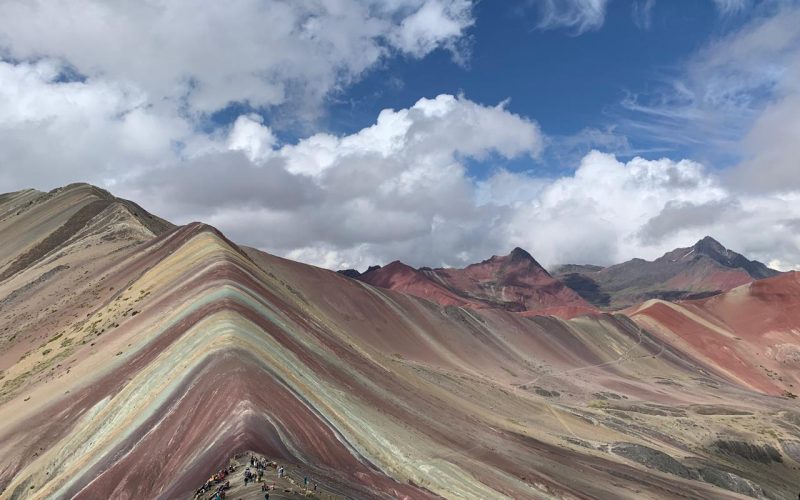
We close this unforgettable journey with one last adventure — a visit to one of Peru’s most breathtaking natural wonders: Rainbow Mountain (Vinicunca).
We’ll depart early in the morning, traveling through remote highlands where alpacas roam free and snow-capped peaks rise in the distance. After a scenic drive and a short but high-altitude hike, we reach the summit at 5,036 meters (16,522 ft). There, the mountain reveals its vibrant layers of red, turquoise, yellow, and gold — a true geological masterpiece shaped by nature over millions of years.
After taking in the views and capturing your final photos, we begin our return to Cusco, arriving in the afternoon.
A Journey to Remember
With this final experience, our adventure through the Inca Trail, Machu Picchu, the Sacred Valley, the Amazon, and now Rainbow Mountain comes to a close — and what a way to end it: standing above the clouds, surrounded by color, energy, and silence.
We hope this is not your last time in Peru. Because once the Andes touch your heart, you’ll always feel the call to return.
Thank you for walking with us. Until the next trail.