Inca Trail 4 Days vs 2 Days: Which Trek Is Right for You?
Inca Trai Trek the 4-day Inca Trail offers a richer, more immersive trekking experience with multiple archaeological sites and dramatic landscapes, while the 2-day version is a faster, more accessible alternative. Your best choice depends on your fitness level, available time, and how deeply you want to connect with Andean history.
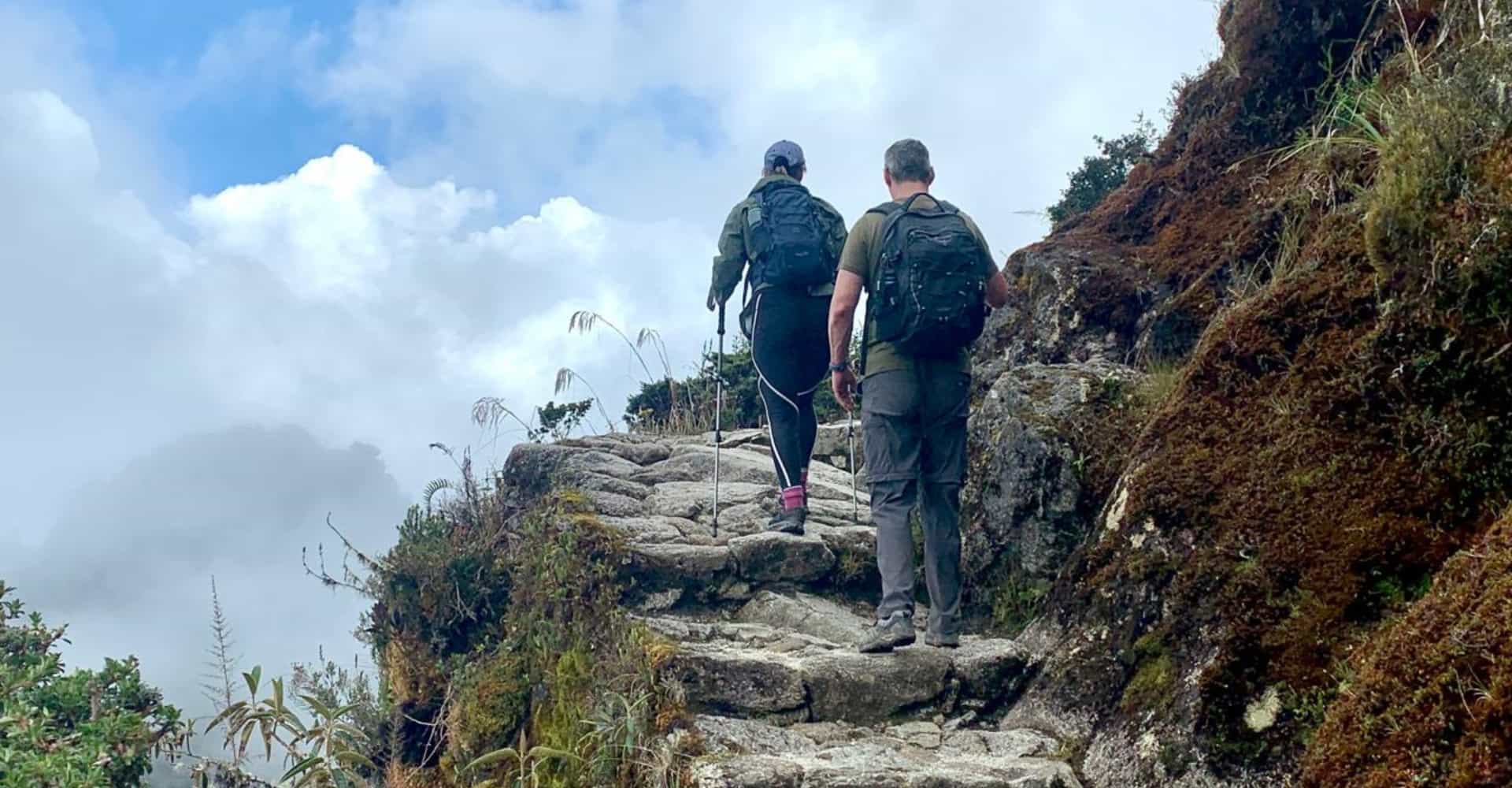
Machu Picchu doesn’t just reward those who arrive it rewards those who earn it. And the Inca Trail, the ancient stone pathway threading through cloud forest, alpine tundra, and Incan ruins, remains the most iconic way to get there.
But here’s the question every traveler faces: do you take the full four days, or opt for the condensed two-day route? Both treks lead to the same breathtaking destination, yet they deliver very different experiences. The right choice comes down to your schedule, fitness, and what you’re truly looking for from the journey.
This guide breaks down everything you need to know about both routes terrain, difficulty, highlights, permits, and more so you can make the decision that’s right for your adventure.
What Is the Classic Inca Trail to Machu Picchu?
The Classic Inca Trail is a 43-kilometer (26-mile) trek along a UNESCO World Heritage-listed path that the Inca civilization built over 500 years ago. Starting near the town of Ollantaytambo in the Sacred Valley, the trail winds through the Andes mountains, passes through a series of well-preserved Incan archaeological sites, and culminates at the iconic Sun Gate (Intipunku) where hikers get their first panoramic view of Machu Picchu at sunrise.
The Peruvian government strictly limits permits on the Classic Inca Trail to 500 people per day (including guides and porters), making it one of the most sought-after trekking permits in the world. Permits frequently sell out months in advance, particularly between May and September, which is the dry season and peak trekking window.
What Are the Key Differences Between the 4-Day and 2-Day Inca Trail?
Both routes share sections of the original Inca path, but they differ significantly in distance, elevation gain, archaeological sites visited, and overall experience.
|
Feature |
4-Day Inca Trail |
2-Day Inca Trail |
|---|---|---|
|
Distance |
43 km (26 miles) |
12 km (7.5 miles) |
|
Highest Point |
4,215 m (Dead Woman’s Pass) |
3,700 m (Wiñay Wayna) |
|
Campsites |
3 nights camping |
1 night camping |
|
Archaeological Sites |
8+ ruins along the route |
2 main sites |
|
Physical Difficulty |
Moderate to challenging |
Moderate |
|
Permit Required |
Yes |
Yes |
|
Best For |
Full immersion seekers |
Time-limited travelers |
The 4-Day Inca Trail: A Journey Through Living History
What Does the 4-Day Inca Trail Route Look Like?
The four-day trek is the complete Inca Trail experience. Here’s a day-by-day snapshot:
Day 1 – Km 82 to Wayllabamba: The trail begins at kilometer marker 82 along the Urubamba River. This relatively gentle first day (about 12 km) eases hikers into the journey, passing the ruins of Llactapata before camping at the village of Wayllabamba at 3,000 meters.
Day 2 – Wayllabamba to Pacaymayo: This is the toughest day on the trail. Hikers ascend to Dead Woman’s Pass (Abra de Huarmihuañusca)—the highest point on the route at 4,215 meters above sea level before descending to the Pacaymayo valley. Expect 7 to 9 hours of hiking, significant altitude exposure, and breathtaking panoramic views.
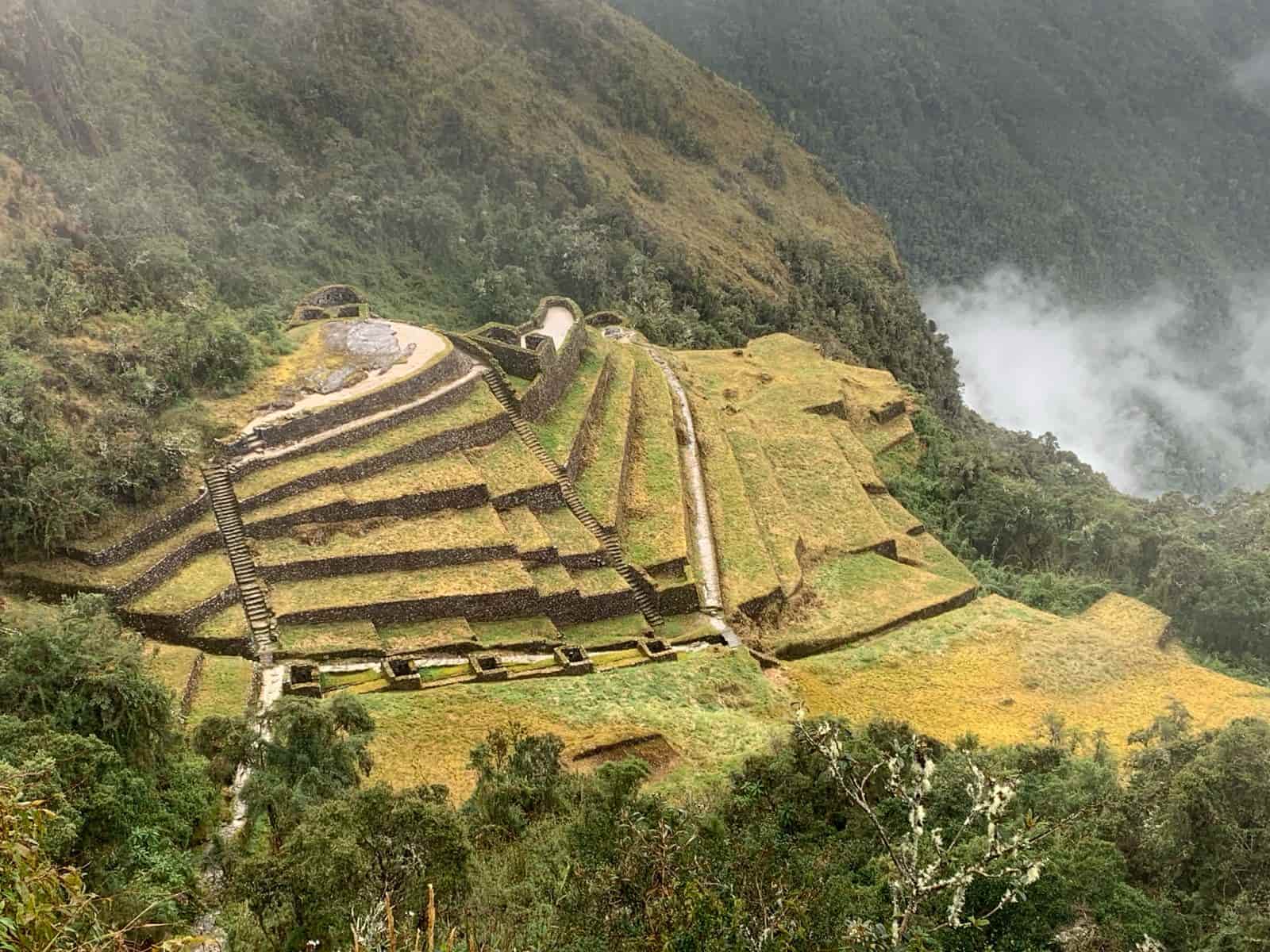
Day 3 – Pacaymayo to Wiñay Wayna: Day three is often described as the most rewarding. The route passes through cloud forests, over a second mountain pass (Runkurakay Pass at 3,950 m), and through a succession of stunning ruins Runkurakay, Sayacmarca, Phuyupatamarca, and the extraordinary terraced complex of Wiñay Wayna. Camp here for your final night on the trail.
Day 4 – Wiñay Wayna to Machu Picchu: Wake before dawn, hike to the Sun Gate (Intipunku), and watch the morning mist roll off the ruins of Machu Picchu as the sun rises over the Andes. This iconic moment is the payoff that makes every blister and breathless ascent worth it.
Who Should Choose the 4-Day Inca Trail?
Choose the 4-day Inca Trail if:
- You have 5+ days available for the overall trip (including buffer days in Cusco)
- You’re reasonably fit and comfortable hiking 8–16 km daily at altitude
- You want to experience multiple Incan archaeological sites along the route
- Watching sunrise from the Sun Gate is on your bucket list
- You’ve secured your permit well in advance (booking 4–6 months ahead is recommended)
The 2-Day Inca Trail: Maximum Impact, Minimum Time
What Does the 2-Day Inca Trail Route Look Like?
The 2-day route sometimes called the Short Inca Trail covers the final 12 km of the Classic route, starting at kilometer marker 104. Hikers take a train from Cusco or Ollantaytambo to the Chachabamba station, then begin trekking.
Day 1 – Km 104 to Wiñay Wayna: The trail ascends steeply from the Urubamba River to the spectacular terraced ruins of Chachabamba and Wiñay Wayna one of the most beautifully preserved sites on the entire Inca Trail. Camp overnight at the Wiñay Wayna campsite.
Day 2 – Wiñay Wayna to Machu Picchu: Just like the four-day route, hikers rise early to walk the final stretch to the Sun Gate and descend into Machu Picchu for the morning opening.
Who Should Choose the 2-Day Inca Trail?
The 2-day Inca Trail is a strong choice if:
- Your trip to Peru is under a week
- You want to hike at least part of the original Inca Trail but can’t commit to four days
- You’re a moderate hiker comfortable with steep ascents at altitude
- You still want the iconic Sun Gate sunrise experience
- You’re traveling during high season and couldn’t secure a 4-day permit
How Difficult Is Each Inca Trail Option?
Altitude is the great equalizer on both routes. Cusco sits at 3,400 meters above sea level, and acclimatizing for at least two days before starting either trek is strongly recommended.
The 4-day trail demands significantly more physical endurance. Dead Woman’s Pass on Day 2 is a genuine challenge over 1,200 meters of elevation gain in a single ascent. That said, the multi-day format gives hikers time to find their rhythm, adjust to altitude, and pace themselves.
The 2-day route is shorter but doesn’t come without physical demand. The initial ascent from Km 104 to Wiñay Wayna is steep and exposed. Hikers cover less ground overall, but at a more compressed pace.
Both routes require a good level of aerobic fitness, appropriate hiking gear, and plenty of patience with altitude.
Permits and Booking: What You Need to Know
Both the 4-day and 2-day Inca Trail routes require an official government permit. The Peruvian Ministry of Culture regulates access to the Inca Trail through licensed tour operators independent trekking is not permitted.
Key booking facts:
- 4-day permits sell out 4–6 months in advance during peak season (May–September)
- 2-day permits are slightly easier to obtain but still sell out weeks ahead during busy periods
- Permits are non-transferable and require your passport number at the time of booking
- Booking through a certified, licensed tour operator is the only legal way to access the trail
If permits are sold out for either route, popular alternatives include the Salkantay Trek, the Lares Trek, and the Choquequirao Trail, all of which connect to Machu Picchu.
What Are the Costs of Each Inca Trail Option?
Costs vary depending on the tour operator, group size, and season, but here are general price ranges:
- 4-Day Classic Inca Trail: USD $650–$1,200 per person (includes permit, camping, meals, porters, and guide)
- 2-Day Short Inca Trail: USD $350–$600 per person (includes permit, one night camping, meals, and guide)
Budget-conscious travelers may be drawn to the 2-day option, but the 4-day experience typically delivers far more value per dollar when you factor in the archaeological sites, the multi-day immersion, and the physical and emotional journey itself.
4-Day vs 2-Day Inca Trail: A Side-by-Side Verdict
Choose the 4-day Inca Trail if you want the complete Andean trekking experience multiple ruins, dramatic mountain passes, cloud forests, and the full sunrise from the Sun Gate. This is the route that changes people. It demands more, but rewards you in equal measure.
Choose the 2-day Inca Trail if you’re short on time but still want to walk a stretch of the original path to Machu Picchu. You’ll visit Wiñay Wayna, experience the magic of Intipunku at dawn, and arrive at Machu Picchu having earned every step.
Both routes are remarkable. Neither is a compromise. The best trek is the one that fits your life right now.